
Модуль 7. Reading B1: стратегии чтения и понимания · урок 32
Lesson 32. Messages, emails and notices
Объяснение темы
Understand short practical texts: messages, emails, reminders, invitations, warnings and notices.
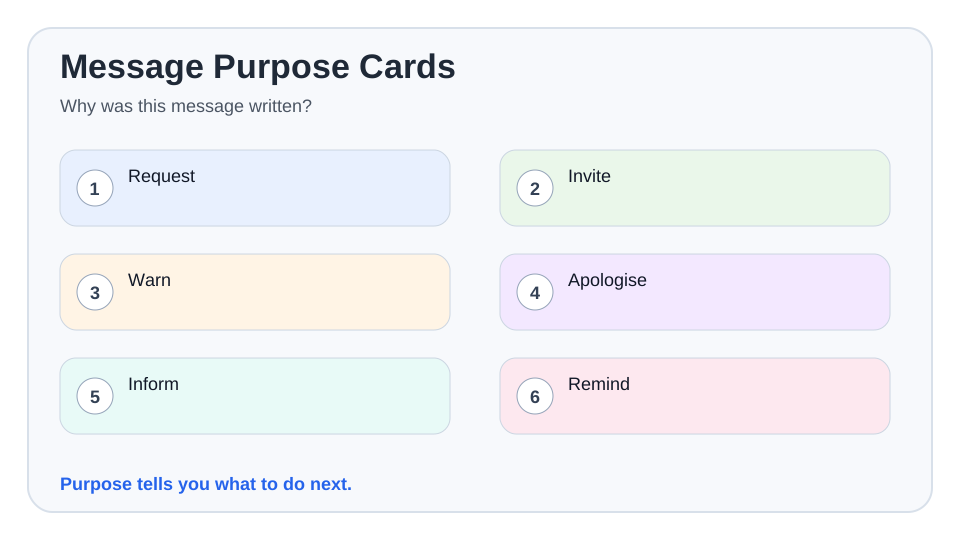 Why was this message written?
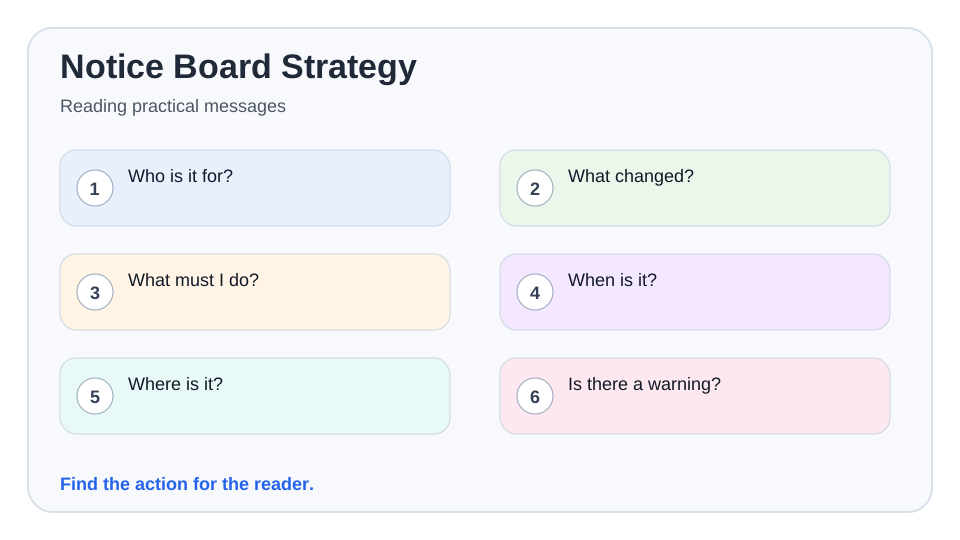 Reading practical messages
Главная идея урока
Короткий текст почти всегда написан с целью: попросить, пригласить, предупредить, извиниться, сообщить или напомнить.
| Purpose | Useful phrases | Reader action |
|---|---|---|
| Request | Can you...? Could you...? | Do or answer something |
| Invitation | Would you like to...? | Accept or refuse |
| Warning | Be careful. Do not... | Avoid danger/problem |
| Notice | Please note. Staff only. | Follow a rule |
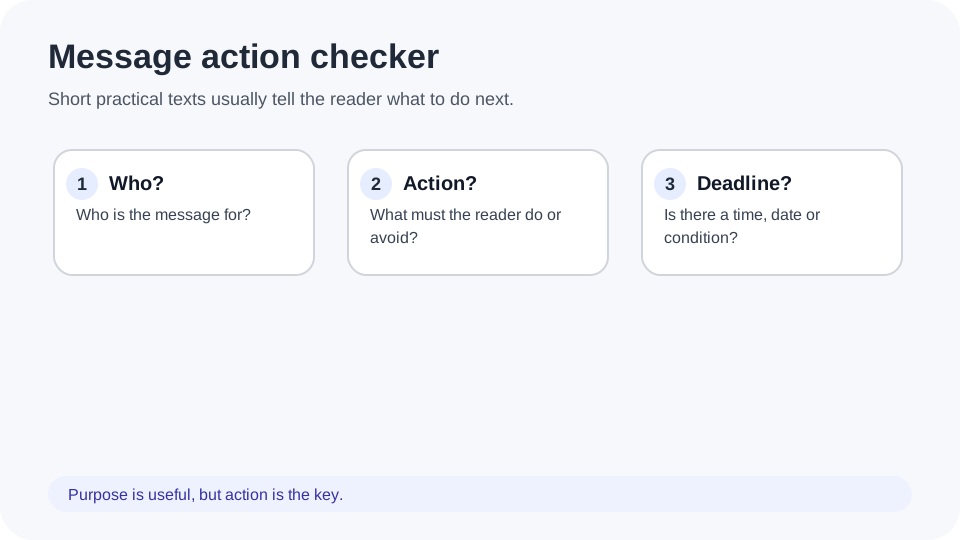 A practical checklist for finding the reader action in short texts.
Extra reading checkpoint
For messages and notices, do not stop at the general purpose. Find the reader action: reply, bring something, wait, avoid something, arrive earlier, or change a plan.
Weak spot fixed: hidden action
Some messages do not say “please do this” directly. Example: “The meeting room has changed to Room 4.” The hidden action is: go to Room 4.
Примеры
Example 1: message purpose
Message: “Can you send me the file before 5?”
Purpose: request.
Reader action: send the file or reply if it is not possible.
Example 2: notice
Notice: “The library will close at 4 today because of repairs.”
Key information: place = library, change = closes at 4, reason = repairs.
Mini-dialogue
A: This message says “Sorry, I can’t make it.”
B: So what is the purpose?
A: It is an apology and refusal.
Example: action required
Message: “Don’t forget your passport. We leave at 7.”
Purpose: reminder.
Reader action: bring your passport and be ready before 7.
Проверка темы
Решите задания и отправьте ответы на проверку.
Чтобы платформа сохранила результат, войдите или зарегистрируйтесь.
Войти Зарегистрироваться